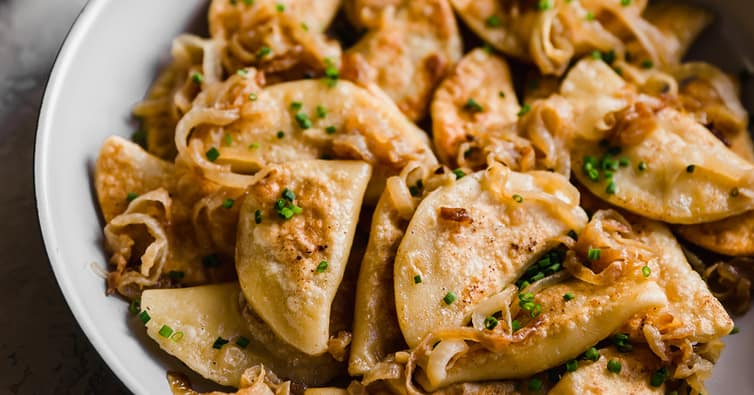
There's something truly special about the comforting embrace of a homemade pierogi. These delightful dough dumplings, a beloved staple in Polish and Eastern European cuisine, are more than just food; they're a taste of tradition, a labor of love, and a gateway to cherished memories. While the thought of crafting them from scratch might seem daunting, learning how to make pierogies recipe often begins with mastering their heart and soul: the filling. And when it comes to classic fillings, the trio of potato, cheese, and sauerkraut reigns supreme.
Imagine biting into a tender, slightly crisp pierogi, pan-fried to golden perfection, revealing a warm, savory blend of creamy mashed potatoes, tangy sauerkraut, and rich cheese. It's a culinary experience that has captivated generations, becoming a holiday favorite and a comforting meal any time of year. This comprehensive guide will unravel the secrets behind these perfect pierogi fillings, empowering you to create a taste of authentic tradition in your own kitchen.
The Heart of the Matter: Understanding Classic Pierogi Fillings
The magic of traditional pierogi lies in the harmony of its core components. While countless variations exist, the potato, cheese, and sauerkraut combination is a testament to balanced flavors and textures. Each ingredient plays a crucial role, contributing to a symphony that is both hearty and incredibly satisfying.
The Creamy Comfort of Potato
Potatoes are the backbone of many pierogi fillings, providing a comforting, starchy base that absorbs and complements other flavors. For the perfect pierogi filling, the type of potato matters. Opt for starchy varieties like Russet or Idaho, which yield a fluffy, dry mash. Waxy potatoes, like Yukon Gold, can be used but may result in a slightly gummier texture, though some prefer their buttery flavor.
- Preparation is Key: Begin by peeling and cutting your chosen potatoes into uniform pieces. This ensures even cooking. Simmer them in lightly salted water until they are fork-tender, typically around 15-20 minutes.
- Achieving the Perfect Mash: Drain the cooked potatoes thoroughly. For the creamiest texture, use a potato ricer or a sturdy masher. Avoid over-mashing, as this can activate starches and lead to a gluey consistency.
- Cooling for Success: This step is often overlooked but is absolutely critical. Once mashed, spread the potatoes thinly on a plate or baking sheet and refrigerate them until they are completely cool, preferably for several hours or even overnight. Cold potatoes are firmer, easier to work with, and prevent your filling from becoming too wet and tearing the delicate pierogi dough.
The Tangy Embrace of Sauerkraut
Sauerkraut brings a delightful tang and a subtle textural crunch that cuts through the richness of the potatoes and cheese. It's the secret ingredient that elevates the filling from merely good to truly exceptional.
- Choosing Your Sauerkraut: High-quality sauerkraut, preferably refrigerated in the deli section, will offer the best flavor. Jarred or canned varieties can work, but often benefit from a good rinse.
- Preparation: If using a particularly strong or salty sauerkraut, you might want to rinse it under cold water and then squeeze it very dry. This reduces the acidity and prevents the filling from becoming overly sour. Some prefer not to rinse, embracing the bolder flavor. Finely chop the sauerkraut to ensure it integrates well into the filling and doesn't create chunky bits that could tear the dough.
- Sautéing for Depth: Before combining with the potatoes and cheese, gently sautéing the sauerkraut (perhaps with a little chopped onion) can mellow its sharpness and deepen its flavor. This also helps to remove excess moisture, ensuring a drier, more stable filling.
The Cheesy Goodness
Cheese adds richness, a creamy texture, and a wonderful savory note to the pierogi filling. The traditional choice is often farmer's cheese, a type of fresh, unripened cheese.
- Farmer's Cheese Explained: Farmer's cheese, sometimes called "pot cheese," is typically soft, crumbly, and has a mild, slightly tangy flavor. It's excellent for binding the filling and providing a distinct texture. Look for it in the dairy or specialty cheese section of your grocery store.
- Excellent Substitutions: If farmer's cheese is hard to find, don't despair! A fantastic substitute is a combination of shredded Monterey Jack and ricotta cheese. The Monterey Jack provides meltiness and a mild flavor, while ricotta offers the desired softness and tang. Other cheeses like mild cheddar or even cream cheese can also be incorporated for different flavor profiles and added creaminess. The key is to choose a cheese that melts well and complements the other ingredients without overpowering them.
Mastering the Classic: Crafting Your Potato, Cheese & Sauerkraut Filling
Now that you understand the individual components, let's put it all together to create that irresistible filling for your homemade pierogies. This detailed approach ensures a flavorful and perfectly textured mixture.
Ingredients for Success (Approximate Quantities for a Large Batch)
- 2 lbs starchy potatoes (Russet or Idaho), peeled and cut
- 1 large yellow onion, finely chopped
- 2-3 tbsp olive oil (or butter/bacon fat for richer flavor)
- 10-12 oz sauerkraut, squeezed very dry and finely chopped
- 8 oz farmer's cheese (or 4 oz shredded Monterey Jack + 4 oz ricotta)
- Salt and freshly ground black pepper to taste
Step-by-Step Filling Preparation
- Prepare the Potatoes: Place the peeled and cut potatoes in a pot, cover with cold, lightly salted water. Bring to a boil, then reduce heat and simmer for 15-20 minutes, or until fork-tender. Drain very well, mash thoroughly (using a ricer if possible), and spread onto a baking sheet to cool completely in the refrigerator. This step is crucial for a firm, easy-to-handle filling.
- Sauté the Onions: While the potatoes are cooling, heat the olive oil (or your fat of choice) in a skillet over medium heat. Add the finely chopped onion and sauté gently until softened and translucent, about 8-10 minutes. Avoid browning. This process sweetens the onion and adds depth to the filling.
- Combine the Ingredients: In a large mixing bowl, combine the completely cooled mashed potatoes, the sautéed onion (including any residual oil from the pan), the finely chopped and thoroughly dried sauerkraut, and your chosen cheese(s).
- Season and Mix: Season the mixture generously with salt and freshly ground black pepper. Remember that sauerkraut can be salty, so taste as you go. Mix everything thoroughly with your hands or a sturdy spoon until all ingredients are well incorporated and the consistency is uniform. The mixture should be firm enough to hold its shape when rolled into a ball.
- Chill Further: For best results, cover the filling and refrigerate it for at least an hour, or even overnight. This allows the flavors to meld and ensures the filling is cold and firm, making the pierogi-stuffing process much easier. If you want to save time on the day you're making and serving your pierogies, make the filling a day or two in advance and keep it sealed in the fridge.
Beyond the Basics: Tips for Perfect Pierogi Filling Every Time
Achieving pierogi perfection goes beyond just following a recipe. Here are some insights and tips to ensure your fillings are consistently delicious and easy to work with:
- Texture is Paramount: The ideal filling should be firm enough to scoop and shape without being crumbly, but not so wet that it makes the dough soggy or difficult to seal. If your filling feels too wet, you can add a tablespoon of dry breadcrumbs or a little extra mashed potato to absorb moisture. If it’s too dry, a splash of milk or a knob of butter can help.
- Don't Skimp on Seasoning: Taste your filling! Adjust salt and pepper as needed. A pinch of nutmeg can enhance the potato and cheese, while a dash of paprika could add a smoky warmth.
- Embrace the Process: Making pierogi is a wonderful culinary journey. As mentioned in family traditions, it can be a communal event. Gather friends or family, put on some music, and turn the task of rolling, stuffing, and sealing into a fun memory-making session. It’s also a great way to make a big batch, as you can freeze some for later!
- Consider Your Fat: While olive oil is a good choice for sautéing onions, using butter or even rendered bacon fat will infuse your filling with an extra layer of richness and flavor that truly complements the traditional profile of pierogi.
Bringing It All Together: From Filling to Finished Pierogi
Once your delectable filling is perfectly prepared and chilled, you're halfway to enjoying homemade pierogies. The next steps involve preparing the dough, skillfully shaping your dumplings, and then cooking them to perfection. While this article focuses on the filling, remember that the dough and shaping process are equally important for a truly authentic experience.
For a complete, detailed walkthrough on the dough preparation, rolling, stuffing, and cooking techniques, be sure to check out our comprehensive guide: How to Make Traditional Polish Pierogies: Step-by-Step Guide. You'll learn everything you need to know to transform your amazing filling into those iconic, buttery, and crisp Polish pierogies that are a delight with every single bite.
Mastering how to make pierogies recipe by perfecting the filling is a rewarding endeavor that connects you to rich culinary traditions. The combination of fluffy potatoes, tangy sauerkraut, and savory cheese creates a flavor profile that is both comforting and incredibly satisfying.
Don't be intimidated by the multi-step process; each stage contributes to the final, delicious outcome. Embrace the journey, experiment with slight variations to suit your taste, and most importantly, enjoy the process of creating these beloved dumplings. Whether served simply with a dollop of sour cream, caramelized onions, or a side of traditional Kapusta, your homemade pierogies filled with potato, cheese, and sauerkraut are sure to become a cherished favorite in your home.
